December
Promise Mascot Agency – Nintendo Switch 2

Promise Mascot Agency is a management sim, card battler, open world visual novel. Set on a cursed island, our protagonists, Michi, a former yakuza hitman, and Pinky, a giant severed thumb, set their sights on bettering the community while making a truck load of cash. The result is every bit as chaotic as you might imagine. Exploring the island in a tiny flat bed truck, collecting upgrades, knocking over signs, and cleaning up the streets feels quite relaxed. While managing your mascots and supporting them via the card battle system, is anything but. I guess no job is all fun.
Donkey Kong Bananza – Nintendo Switch 2

Bananza is the latest from Nintendo EAD, the masters of Mario Odyssey, and is set in the same mould. A tonne of collectibles and micro objectives lathered in plenty of polish and charm. Changing the focus from Mario’s hop to DK’s bop, however, yields a somewhat limited move set, typified by the Bananza transformations that see DK temporarily mutated into a cursed zebra or snake in order to gain new abilities. They feel out of place, distracting from Bananza’s most interesting idea – stages which are almost entirely destructible. An ambitious attempt to redefine Donkey Kong that ends up feeling a little one note.
November
Hollow Knight: Silksong – Nintendo Switch 2

Silksong, as was Hollow Knight, a difficult and playful game, often prompting chuckles alongside the face palms. It’s so precisely designed that the occasional spikes in difficulty, usually an awkward run back or challenge arena feel intentionally vindictive. More often than not, though, Silksong is a joy to play, with smooth animations, crisp controls, and impeccable sound design. Cute character barks add joy to a world made eerie by its haunting soundtrack, while battle tracks punctuate the hard fought victories, crescendoing in a final boss encounter that ranks as one of my favourites of all time.
October
Baby Steps – PS5

Continuing the legacy of QWOP and Getting over it, Baby steps is a delicioulsy frustrating game that tasks Nate – our man baby, with ascending a mountain barefoot in search of a toilet. The gameplay offers up plenty of slapstick comedy, heightened by its strange cast of characters, surreal world and its percussive soundtrack. There is frustration and triumph aplenty, but it’s Nate’s vulnerability that makes this game special. A moving game, in every sense.
September
Prince of Persia: The Lost Crown – Nintendo Switch

Filled with stylish characters, formidable bosses, and anime fuelled insta-kill parries, Prince of Persia: The Lost Crown is where I would send any newcomer to the genre. Upgrades and challenges seem perfectly spaced, while the ability to add screenshots directly to the in-game map will help players keep track of its plentiful loose ends and secrets. While I didn’t love its cast of characters, there is a refreshingly straighforward plot at Prince of Perisa’s heart that will draw players to its conclusion. Hopeully its critical success will encourage other publishers to re-imagine their franchises in this form.
August
Ultros – Nintendo Switch

A genuinely innovative Metroidvania that puts backtracking at its centre. A time hopping narrative hook gives players the opportunity to shape Ultros’ fluorescent world. Planting saplings that will one day become vines to swing from, platforms to stand on, or provide nutritious bounty. In Ultros you are what you eat, and each meal can be used to unlock new abilities. Ultros offers up more agency than most, but not as much challenge. An intriguing game, that takes a little too long to show its best.
July
Fire Emblem: Three Houses – Nintendo Switch

A partially Persona infused tactical RPG that’s too easy, too long, and too cloying. A game dense with systems hidden within cluttered and confusing menus, complimented by a navigable hub world that is charmlessly sparse… And yet, there is a temptation to play this again. Three Houses has a sweeping narrative divided into three routes, each adding its own context to the broader story that intertwines the lives of its three main characters. It’s a bold swing, undone by how laborious Three Houses feels to play.
Metroid: Dread – Nintendo Switch

Samus has never moved like this. Gliding through environments to escape patrolling E.M.M.I.s Samus feels more than capable of handling Dread’s lethal enemies and challenging boss encounters. The control scheme becomes unwieldly as Samus’ suite of abilities grow, but that does little to slow the pace which propels players through Dread’s clinical and hostile world. Metroid: Dread is as slick as Samus herself. One of the series’ best, and an easy recconmendation.
June
Mario Kart World – Nintendo Switch 2

The most technical Mario Kart to date, with grind rails, charge jumps, and wall rides lifting the ceiling that once topped out at drifting. A thrilling experience, particularly in MKW’s breakout mode World Tour, where multiple tracks are forged into one continuous rally, with racers whittled down at each stage to create a a dive for the line as tense as any battle royale. In contrast, MKW’s open world is a little underbaked, serving more as a matchmaking lobby than a fully reaslised world to explore. Stunningly drawn and animated, Mario Kart World is a solid showcase for Ninitendo’s intentions for the Nintendo Switch 2.
May
Blue Prince – PS5

An intricately designed puzzle hidden within the structure of a rogue-like deck builder. Absolutely one of those games that can make you feel incredibly clever moments before revealing just how dumb you really are. An excellent game that I felt was undone by its structure. For more thoughts, you can check out my full review.
Metroid Prime Remastered – Switch

Metroid Prime, originally released on the Gamecube, has far more in common with The Outer Wilds than it does Doom. A shame, then, that so much of your time is spent firing a gun. When acting as a Samus simulator, Metroid is at its best, with flourishes that sell the physicality of the world. But, most of the time it’s bogged down by dull puzzle combat and some of the worst boss encounters of any game I’ve played.
April
Gran Turismo 7 – PS5
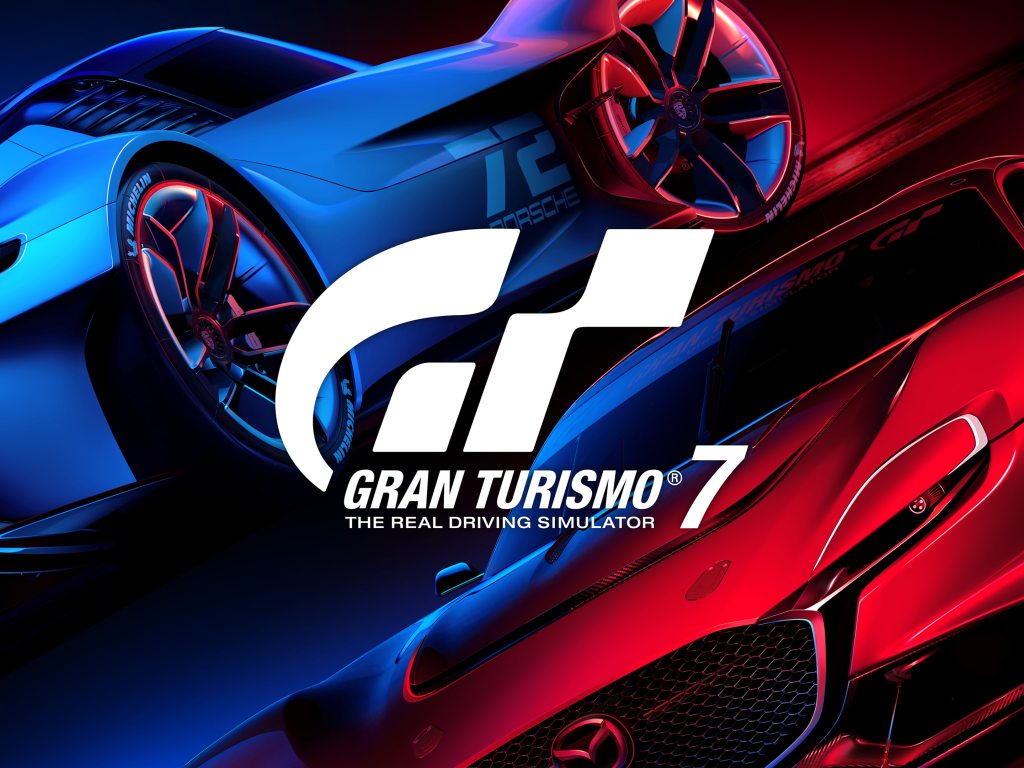
Nobody seems to understand the science or the satisfaction of hitting a perfect racing line quite as well as Polyphony Digital. Gran Turismo’s licence centre acts as the perfect introduction, while challenge modes and globe spanning races will force that learning into practice. GT7 is a celebration of motor sport, none more masterful than its Hooked on America stage of the Music Rally mode. Pure joy.
March
Monster Hunter Wilds – PS5
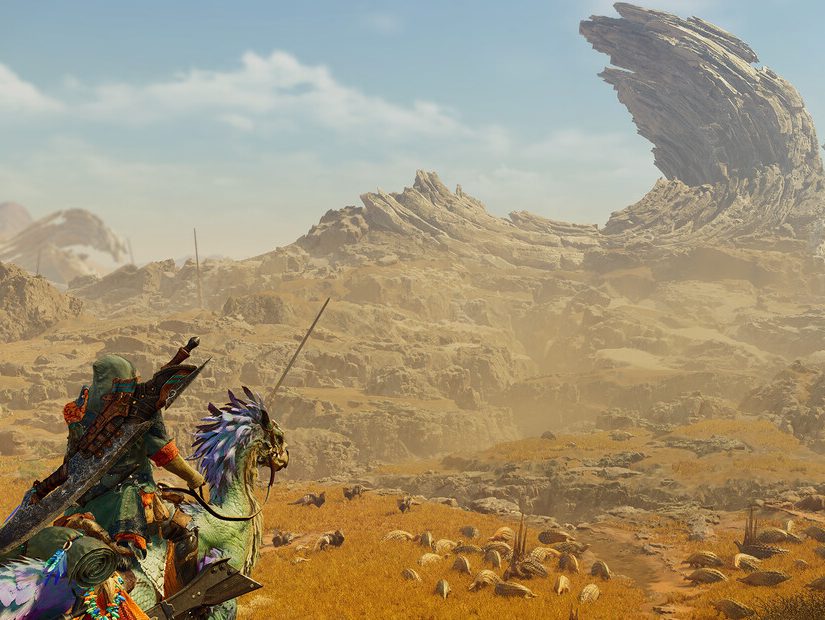
In a series famed for its carefully crafted monster designs, Wilds has one of the best monster rosters in the series. The nature of these beasts is both ludicrous and believable, with characterful depictions of the small and gargantuan alike. The wepons feel best in class too, the Gunlance has never felt more dangerous. Monster Hunter is at its best when being bombastic, a shame then, that the game is often slowed by wonky pacing and an overserious narrative.
February
UFO 50 – PC

UFO 50 is a hugely inspiring piece of work, where Mossmouth repeatedly show the value of a good idea. It is an astonishing collection of games, and while not all of them will align with your tastes, you’re sure to find a few that will resonate, and will find plenty of intrigue in those that don’t. For anyone with a passing interest in game design, this is absolutely essential.
January
Astro Bot – PS5

Winner of plaudits galore, a technically excellent game where the use of haptics feels like genuine magic. Astro Bot himself and the waves of nostalgia striking collectibles add plenty of charm, though its gallery of rogues seem scattershot and characterless. Astro Bot is so intertwined with the hardware that runs it, that it’s possibly the only truly essential PS5 game.


 One More Go