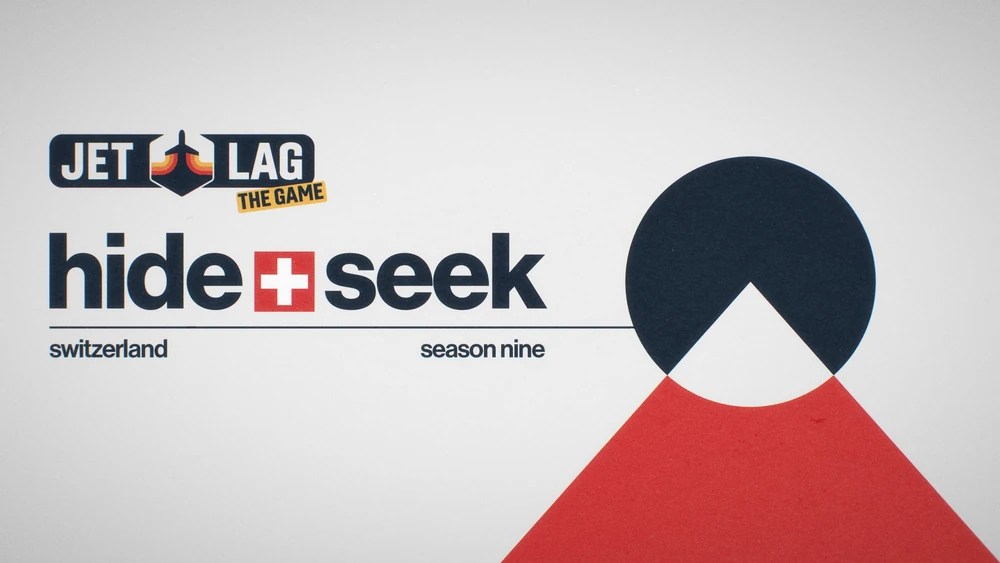
Over the last couple of months I’ve been glued to YouTube sensation Jet Lag: The Game. Currently in the middle of its ninth series, Jet Lag is a world wide board game. The typical formula sees creators Adam Chase, Ben Doyle, Sam Denby, and a fourth guest star split into teams of two as they race each other around the world completing madcap challenges to earn currency which fuels their travel. Each season of Jet Lag is a different game, allowing for slightly different formats from a straight race around the globe, to playing Connect 4 with US States.
In this most recent season, the gang are playing Hide and Seek across all of Switzerland, with one player hiding (after a two hour headstart they must stay within a fixed radius on the map), while the other two players ask questions from a predetermined list of options to work out where they might be. When a player is caught they cycle into the seeking team while a new player hides. At the end of the game the player who has remained hidden the longest wins. While season nine is still running, it’s shaping up to be Jet Lag‘s most accomplished game to date. The Hide and Seek format allows for playful editing, the audience discovering the actual location of the hider in time with the seekers, while a timer on screen indicates how well each hider is doing. Then there are the easy to grasp mechanics which are enhanced by the on screen graphics, clearly signalling the seeking team’s options.

With each passing season the Jet Lag team have polished and refined their games. Experimenting with different limitations on travel means they avoid the the game breaking limitations exposed in early seasons, but maintain some challenge, while being able to introduce tension elsewhere in their games. In some games challenges are specific to each location they visit, meaning players will race towards the most lucrative challenges, or if they miss out there may be an option to steal a reward from the opposite team. Season eight saw the introduction of “the flop”, where each day five random challenges and rewards are drawn from the deck, making it harder for teams to form a strategy, and forcing them to take different routes. In season nine the challenges are meant to hinder the seeking team from discovering the hider, a mechanic borrowed from the tag and capture the flag games of earlier seasons.
The structure and mechanics of Jet Lag evolve with each game, but it also represents an evolution in reality television, one that likely wouldn’t have been adopted by conventional broadcasters. For one, it’s quite rough and ready. There’s no film crew, everything is filmed on iPhone with lots of close ups of the cast’s faces as they sprint and pant from challenge to challenge. Personally, I think it makes for a more charming product, but I can’t imagine a larger budget production leaving any of the capture to chance. More significantly, and I think where Jet Lag excels, is that it’s a game first. The show focuses on the strategy taken by the two teams rather than their personal trials and tribulations. It makes for a show that is less sentimental than the norm, but there just isn’t time for that as players sprint through airports and dive into taxis, formulating plans and trying to communicate them with the viewer. A lack of sentiment doesn’t equate to a lack of endearment. In contrast to something like Squid Game: The Challenge, where perfunctory sentimentality was shoehorned in to endear you to a character immediately before they were eliminated. Jet Lag lets you spend time with the same small cast over a whole season, viewers are pulled along the journey with the players on screen, cheering their successes, and laughing as their plans collapse into ruin.
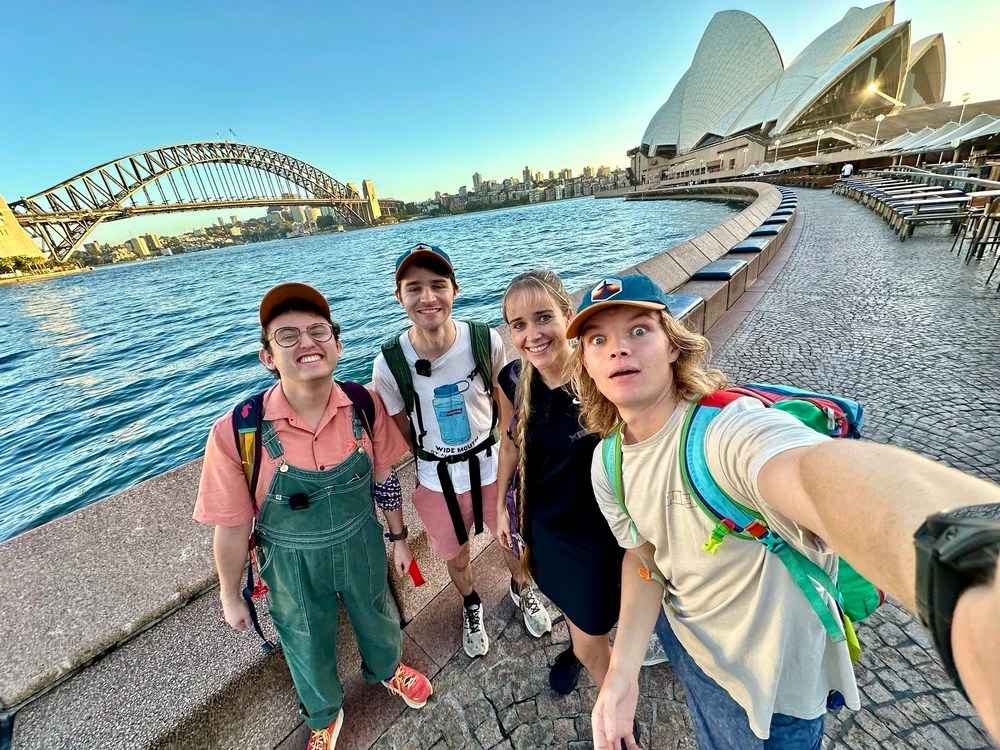
Outside of the continuous development, what impresses me the most, even in this ninth series, is just how good the players are at anticipating their opponents moves. A testament to how well researched and practiced their games are, but also to how well they all know one another. An element that is essential to Jet Lag‘s success is the cast’s chemistry, something that is impossible to replicate when participants are thrown together. The cast’s relationship adds a meta layer to the strategy, not dissimilar to when everyone gangs up against that one friend who always wins on game night. While it’s not possible for viewers to anticipate which flight a cast member will take from one airport to the next, viewers can buy into the feeling of having to make a call and guess, then immediately be wracked with doubt about your decision. It makes for compelling viewing, especially as the team have gotten better at communicating their plans and the stakes of the competition.
With nine seasons already available, there’s a lot to catch up on, and if you are jumping in, I would recommend starting at the beginning, if only so that you can see the development for yourself. Since its debut in 2022, Jet Lag: The Game has come a long way, and with the team’s constant iteration and experimentation, it’s not showing any signs of slowing down.


 One More Go
Leave a comment